
 Wildlife
of Kenya
Northern Shoveler
Ducks, Geese & Grebes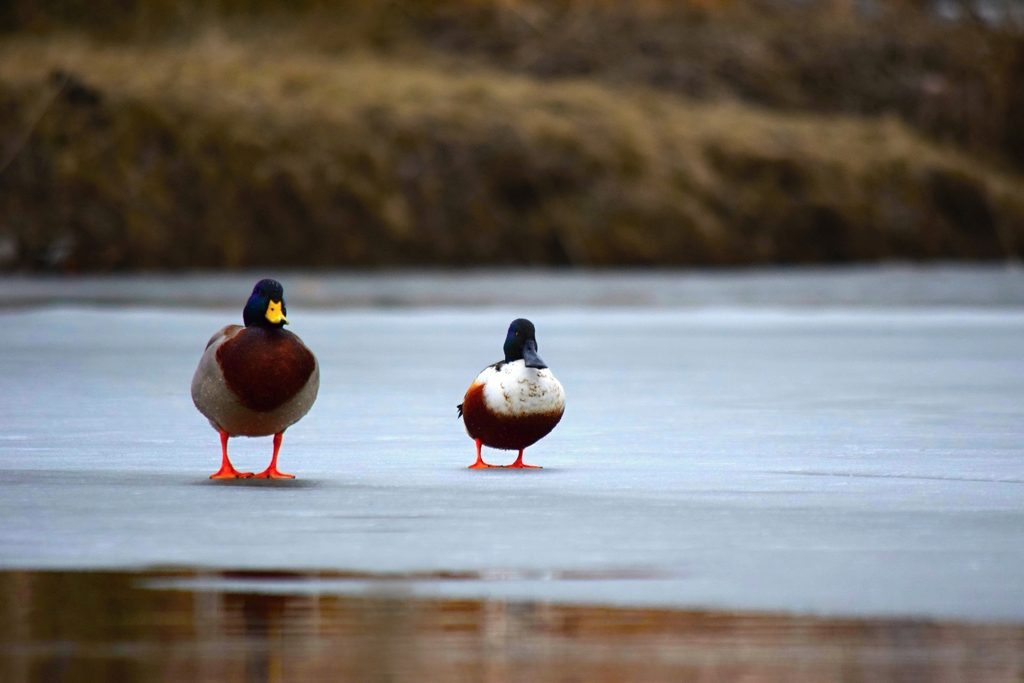
Photo: Daniel Benák · CC BY 4.0 (May be cropped or resized)
Spatula clypeata
Conservation status: Unknown
Basic stats
Diet
Aquatic invertebrates, seeds and other plant matter
Habitat
Shallow open wetlands with muddy margins and emergent vegetation
Range
Breeds across northern Eurasia and North America; winters farther south across both hemispheres
Clutch size
Averages about 11 eggs
Incubation period
About 23 days
Weight
Averages about 613g
The Northern Shoveler is a medium-sized dabbling duck distinguished by its exceptionally broad, spatula-shaped bill. Breeding males combine a dark green head, white breast and chestnut sides, while females are mottled brown but retain the same outsized bill. In flight both sexes show pale blue forewings and green specula. Dense comb-like structures along the bill margins help strain small food from water (Wikipedia, general species account).
Across its broad northern range, the species breeds on shallow wetlands edged by mud and emergent vegetation, then migrates south where waters freeze. Birds often feed by sweeping the bill from side to side at or just beneath the surface, sometimes rotating in groups to stir prey upward. Aquatic invertebrates dominate the diet, supplemented by seeds and other plant material (EltonTraits, Wilman et al. 2014). Nesting females place lined scrapes on the ground near water (Wikipedia, general species account).
Where to see Northern Shoveler in Kenya
GBIF records grouped by protected area. They show where the species has been reported, not that it is there now, and they are not population counts.
Recorded in 10 protected areas (1972–2026). The 8 with the most records:
- Lake Nakuru National Park: 290 records (1972–2026)
- Amboseli National Park: 43 records (1975–2024)
- Lake Bogoria National Reserve: 21 records (1996–2018)
- Crescent Island Widlife Sanctuary: 16 records (1984–2019)
- Nairobi National Park: 14 records (1984–2010)
- Ol Pejeta Conservancy: 9 records (2003–2023)
- Aberdare Country Club Sanctuary Conservancy: 7 records (1996–2002)
- Soysambu Conservancy: 6 records (1996–2021)
Quick answers
- What does the Northern Shoveler eat?
- Aquatic invertebrates, seeds and other plant matter
- What habitat does the Northern Shoveler live in?
- Shallow open wetlands with muddy margins and emergent vegetation
- Where is the Northern Shoveler found?
- Breeds across northern Eurasia and North America; winters farther south across both hemispheres
- How many eggs does the Northern Shoveler lay?
- Averages about 11 eggs
- How long are the eggs of the Northern Shoveler incubated?
- About 23 days
- How much does the Northern Shoveler weigh?
- Averages about 613g