
 Wildlife
of Kenya
Rusty Pipistrelle
Bats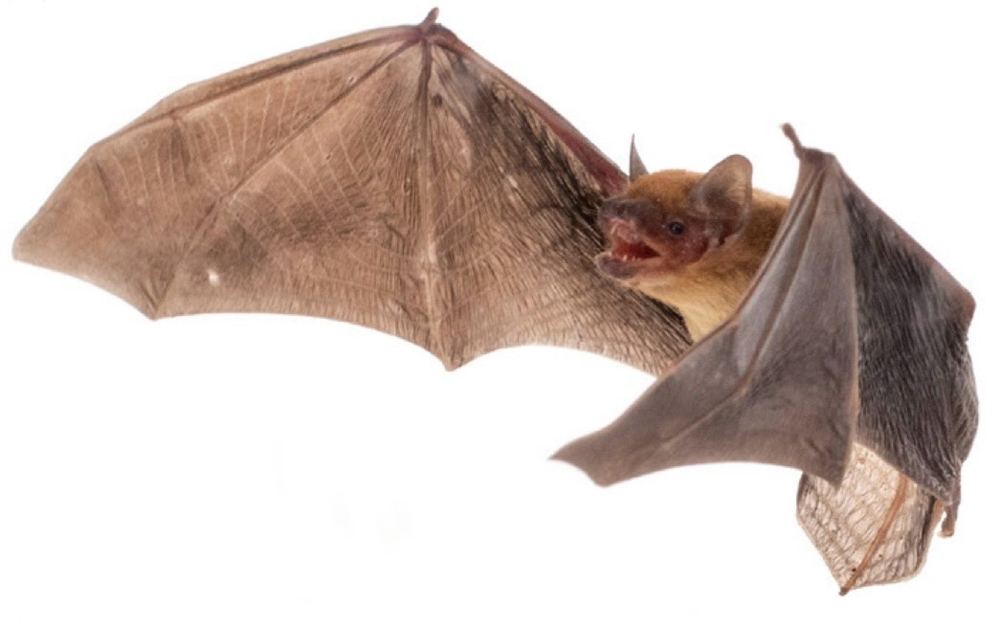
Photo: Unknown authorUnknown author · CC BY 4.0 (May be cropped or resized)
Pipistrellus rusticus
Conservation status: Unknown
Basic stats
Habitat
Dry and moist savanna, montane and riverine forest, scrubland, often near water
Range
Africa, from Senegal to South Africa
Litter size
Two, occasionally one
Size
Head and body 44–46mm
Weight
About 3.5g on average
The rusty pipistrelle (Pipistrellus rusticus) is a species of vesper bat first described by Tomes in 1861. It is considered perhaps Africa's smallest bat, averaging around 3.5g in weight. Its head and body measure 44–46mm. The fur is soft and dense, and the back varies between reddish, orange, grey and medium brown, sometimes even within one locality. The underside ranges from orange to cream and is darkest under the chin. The subspecies marrensis is slightly smaller than the nominate form and has a narrower rostrum (Wikipedia, general species account; GBIF description, Vespertilionidae).
Its range runs from Senegal to South Africa and Namibia, in dry and moist savannas, montane and riverine forests, coastal forests and scrubland at both low and high elevations, often near water. Rusty pipistrelles probably roost in small groups, and three individuals were found together in a tree in Zambia. They are seasonally monoestrous, with births around mid-November and usually two young, though occasionally one. Only up to two of the embryos implant, and mating happens in April, with sperm stored through winter until implantation (Wikipedia, general species account; GBIF description, Vespertilionidae).
Quick answers
- What habitat does the Rusty Pipistrelle live in?
- Dry and moist savanna, montane and riverine forest, scrubland, often near water
- Where is the Rusty Pipistrelle found?
- Africa, from Senegal to South Africa
- What is the litter size of the Rusty Pipistrelle?
- Two, occasionally one
- How big is the Rusty Pipistrelle?
- Head and body 44–46mm
- How much does the Rusty Pipistrelle weigh?
- About 3.5g on average