
 Wildlife
of Kenya
Pale Flycatcher
Chats, Robins, Thrushes & Flycatchers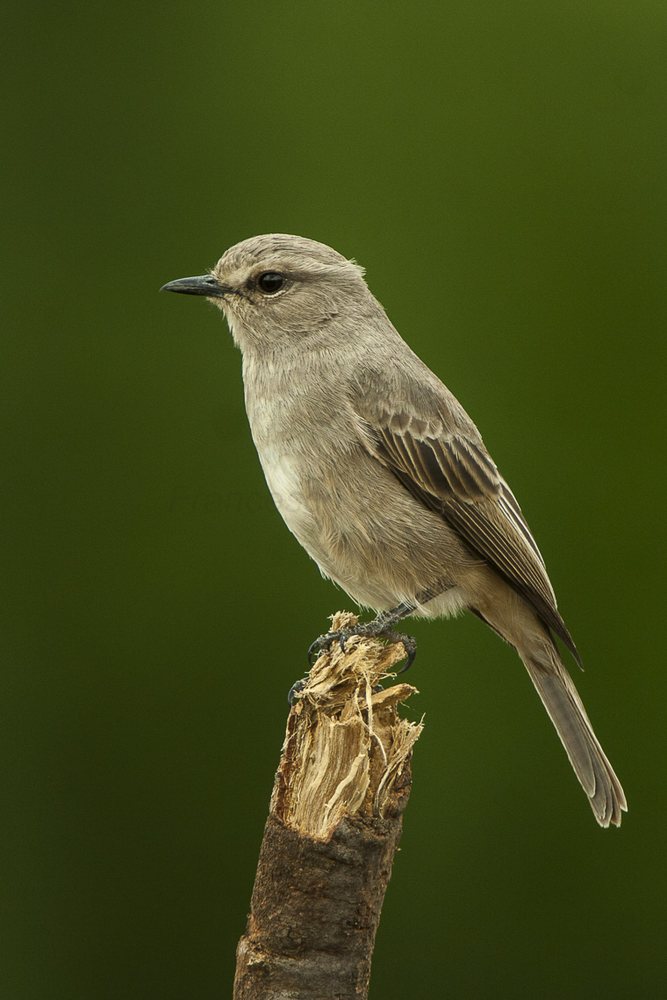
Photo: Francesco Veronesi from Italy · CC BY-SA 2.0 (May be cropped or resized)
Agricola pallidus
Conservation status: Unknown
Basic stats
Diet
Invertebrates and fruit
Habitat
Dry forest, savanna and dry shrubland
Range
Sub-Saharan Africa, excluding Congo Basin and southern Africa
Pale Flycatchers are native to sub-Saharan Africa, where they occur widely but are absent from the Congo Basin and southern Africa. Their natural habitats include subtropical or tropical dry forest, dry savanna and subtropical or tropical dry shrubland. EltonTraits assigns 80 percent of their diet to invertebrates and 20 percent to fruit (Wikipedia, general species account; EltonTraits, Wilman et al. 2014).
Where to see Pale Flycatcher in Kenya
GBIF records grouped by protected area. They show where the species has been reported, not that it is there now, and they are not population counts.
Recorded in 84 protected areas (1913–2026). The 8 with the most records:
- Masai Mara: 289 records (1979–2024)
- Lake Nakuru National Park: 261 records (1982–2026)
- Watamu Marine National Park: 207 records (1973–2024)
- Masai Moran Conservancy: 152 records (2000–2024)
- Shimba Hills National Reserve: 134 records (1981–2024)
- Arabuko-Sokoke Forest Reserve: 116 records (1983–2024)
- Nairobi National Park: 104 records (1971–2024)
- Mpala Ranch: 99 records (2000–2024)
Quick answers
- What does the Pale Flycatcher eat?
- Invertebrates and fruit
- What habitat does the Pale Flycatcher live in?
- Dry forest, savanna and dry shrubland
- Where is the Pale Flycatcher found?
- Sub-Saharan Africa, excluding Congo Basin and southern Africa